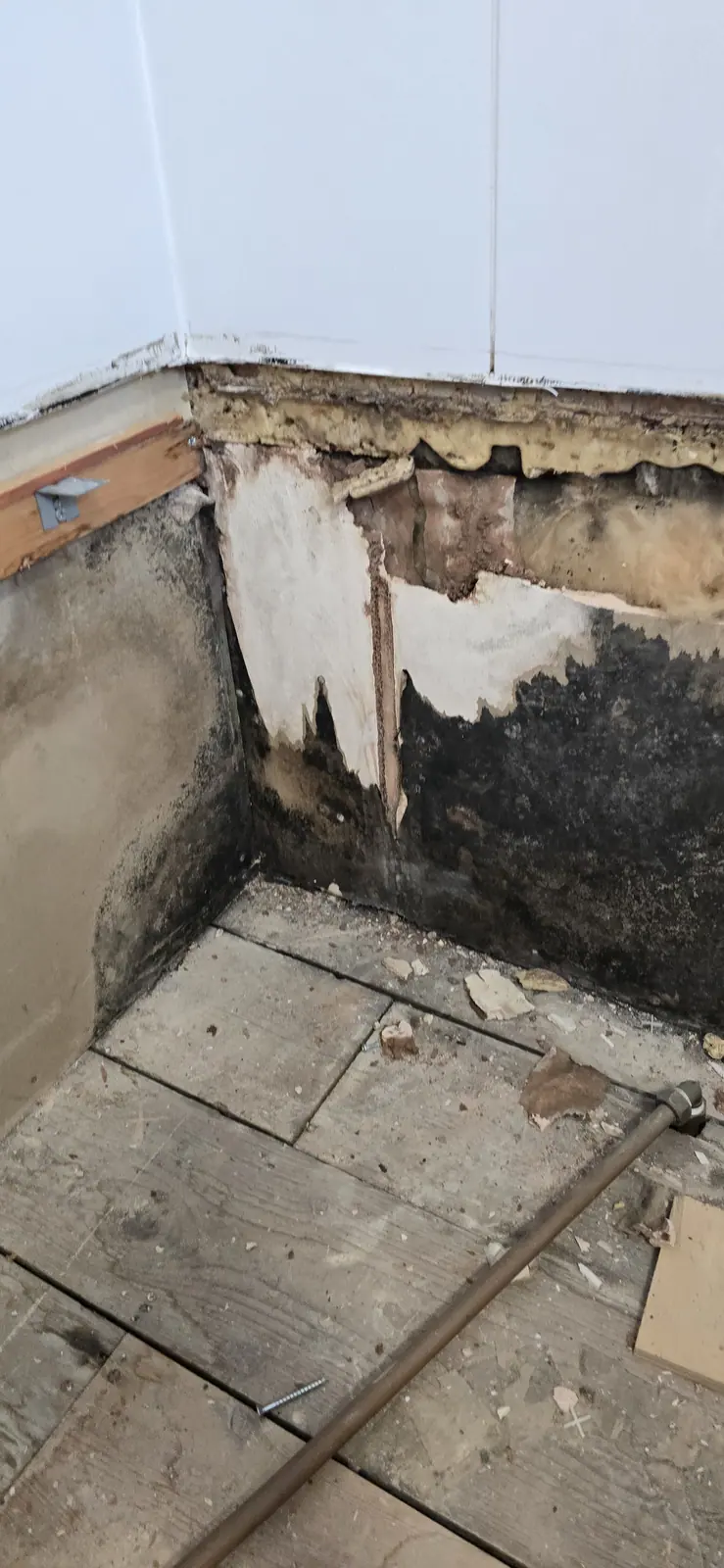
If you've spotted black spots creeping across a bedroom wall, peeling paint near the skirting, or that musty smell that won't shift, you're not alone. Exeter's mild, wet climate and the city's mix of older terraced homes and modern flats make damp one of the most common problems we're called out to. The good news: almost every damp problem can be fixed permanently once you know what's actually causing it.
Here's how to tell the difference between the three types of damp, what you can do yourself, and when it's worth bringing in a specialist.
First, work out which type of damp you have
Treating damp without diagnosing it is the number one mistake we see. Painting over mould or slapping on "damp-proof" paint hides the problem for a few months, then it comes straight back. There are three culprits, and each needs a different fix.
Condensation (by far the most common)
If the damp and mould appear on cold external walls, around windows, in corners, or behind furniture and wardrobes, it's almost certainly condensation. It's caused by warm, moist air from cooking, showering, and drying laundry indoors hitting cold surfaces. You'll often see black "spotty" mould and water running down the inside of windows in the morning.
Penetrating damp
This shows up as a damp patch that gets worse after heavy rain, and Exeter gets plenty of that. It's caused by water getting in from outside: a cracked render, a leaking gutter or downpipe, failed pointing, or a roof problem. The patch usually stays in one spot rather than spreading evenly.
Rising damp
Less common than people think, rising damp affects ground-floor walls and typically stops around a metre up, often leaving a tide-mark and crumbling, salty plaster. It happens when moisture travels up through the wall because the damp-proof course has failed or is bridged.
What you can do yourself
For small patches of condensation mould, you can make a real difference before calling anyone:
- Wipe small mould patches with warm water and a mild detergent or a dedicated mould remover, then dry the area thoroughly.
- Open windows for 10–15 minutes a day, especially after showers and cooking.
- Dry washing outside when you can, or use a well-ventilated room with the door shut and a window open.
- Keep extractor fans running in the bathroom and kitchen, and leave a gap behind large furniture on external walls so air can move.
- Try to keep heating gentle and consistent rather than blasting it on and off. Steady warmth keeps wall surfaces above the temperature where condensation forms.
These steps fix a lot of mild condensation. What they won't fix is penetrating or rising damp, or condensation that keeps returning despite your best efforts. That points to a ventilation or building issue that needs a proper assessment.
When to call a damp specialist
It's time to bring in a professional if any of these sound familiar: the mould keeps coming back after you clean it, the damp patch is spreading or smells strongly, plaster is bubbling or crumbling, or anyone in the home has breathing issues, asthma, or allergies made worse by the air at home. Black mould isn't just unsightly. Prolonged exposure genuinely affects your health, which is why it's not worth living with.
A professional starts with a proper diagnosis: finding the source rather than guessing. From there, the right solution might be improved ventilation or an extractor fan (a fairly low-cost fix), repairs to render, gutters or pointing to stop water getting in, or remedial damp-proofing and re-plastering for genuine rising damp.
What does damp treatment cost in Exeter?
It depends entirely on the cause, which is why an honest assessment matters. As a rough guide for the wider market, a simple fix like a new bathroom extractor fan is typically a few hundred pounds, while more involved remedial work such as injection damp-proofing on a medium property can run into four figures. The key is that you should never pay for major damp-proofing work until someone has confirmed you actually have the type of damp that needs it. A good specialist will often recommend the cheapest fix that solves the problem.
Stop it coming back
Once the source is dealt with, keeping damp away is mostly about ventilation and maintenance: working extractor fans, clear gutters and downpipes (blocked guttering is a surprisingly common cause of damp walls), and catching small leaks early. A quick annual once-over of your home's exterior pays for itself many times over.
Get a straight answer about your damp problem
At Devon Home Maintenance, we look at damp and mould properly. We find the real cause first, then recommend the right fix without overselling. We cover Exeter and the surrounding area, offer professional advice, and provide clear solutions to resolve the issue for good.
Spotted damp or mould you're not happy about? Call us on 07391092619 or send a message through our website for a quote. We're here Monday to Friday, 9am–5pm, and happy to take a look.